

All The Feels
A show that connects with its audience gives a peek into a deeper cohesive truth in all of us. The Bear delivered that each and every season in unique and evolving ways.
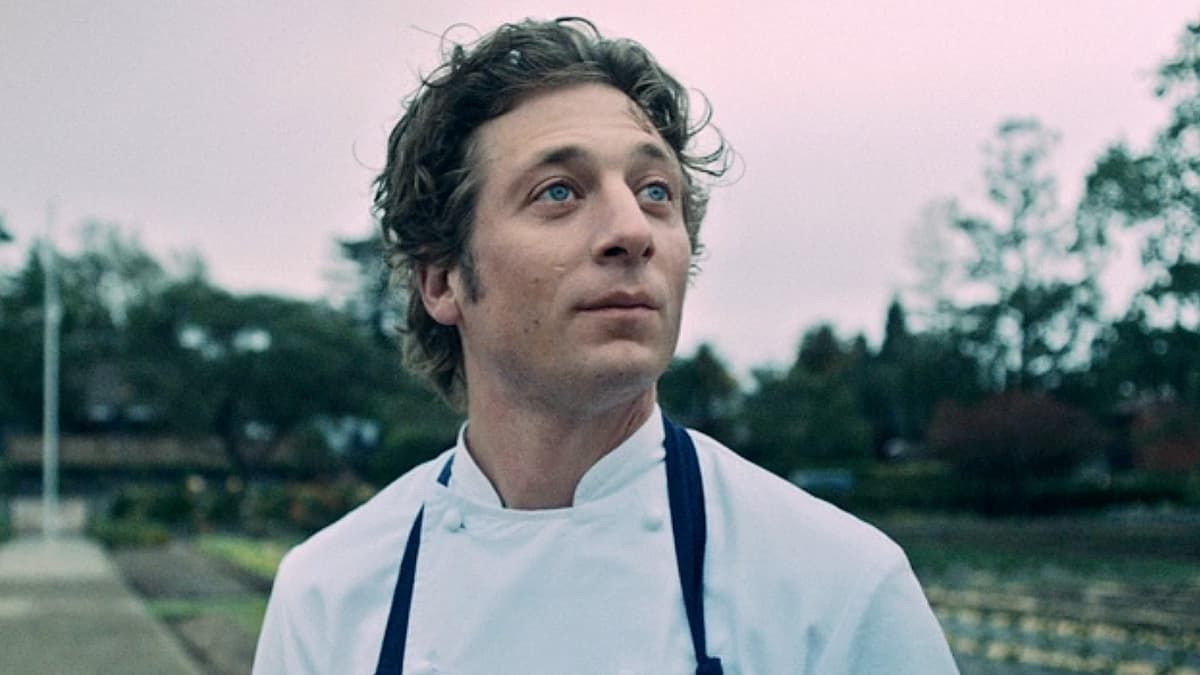
I’ve spoken about The Bear before, with its kinetic and infectious energy that is unlike anything I’ve experienced on TV. But over the course of the series, what left a lasting impression were the quiet scenes. It used the chaos to set up the small moments of pain, practice, and understanding. It impacted me in deep ways, especially as a writer making me rethink what is possible with narrative and purpose.
But why? I’ve been thinking about what this show means to me, why I appreciate it so much, and what makes it special and unique to me.
It’s actually quite challenging to put into words what made The Bear great. I keep making a growing list of aspects that made it consistently grab me by the heart and pull hard. But there is something about listing things that doesn't quite do it justice.
I’ve been trying to then find a more succinct perspective of those small details that can be summed up in one or two broader ideas that represent the unique voice of the show. But it then spirals back out to all the things.
I talk a lot about a show connecting with its audience. It’s what sets a show apart for me, makes it memorable. More than the narrative, more than the characters, it’s giving that peek deeper down to a cohesive truth in all of us (or at least a subset of us).
I found that in The Bear each and every season, built through the stories, the relationships, the unexpected moments. And more personally, it had a message and perspective that really resonated with me– building your craft.
But what did the Bear do differently? My general sense is that it found ways to subvert expectation. Nothing proved this more than my favorite episode in the series (and possibly all time of any show), the season three opener "Tomorrow".
This episode follows the dramatic season two finale where Carmy gets locked in the walk-in freezer during the soft opening of the restaurant. He has a melt-down, criticizing himself, his relationship with Claire, and for letting everyone down. All while not realizing that Claire is on the other side of the door listening to the dagger of a rant— only later to hear a voicemail from her expressing her love for him preceding this scene. Brutal.
It's chaotic, heartbreaking, and a real cliffhanger, leaving the audience-- me included-- to wonder about the fall-out. But the show didn't do that.
Instead, it came back with an unconventional, meditative episode, focusing on the slow dedication to a craft, showing the tedium, monotony, and pressure of Carmy's culinary to education.
And with this episode, an ode to the interminable devotion of building one's skill, the narrative didn't matter anymore. From that moment on what happens in the story isn't consequential. What's matters is the character's relationships— to their work, to themselves, and to each other.
The Bear is ultimately not about whether the restaurant succeeds or fails but about the battles each character is facing on an internal and personal level. Carmy's temperament, Sydney's self-confidence, Richie's self-worth, Uncle Jimmy's familial responsibility, Sugar's maternal guilt. Along with the rest of the crew, watching the growth and struggles together is the point.
This comes full circle in the series finale when in an interview, Carmy revisits the crazy times in the kitchen, realizing that's what it's all about– the journey, not the destination. (A point also made by Sydney and Richie, with the fact that after they get through the seemingly final chaotic service, the next day they get ready to do it all over again.)
As the series progressed, the thesis of the show came into focus (and more clearly than most). What is so remarkable about The Bear is the construction of those ideas. How it made deft use of visual storytelling tools that had a dramatic impact on the experience while slowly building its intention– sometimes subverting the tools, sometimes leaning harder into them.
It wasn't always perfect, but it was gripping, and hit harder with the emotional payoffs that happened throughout the series.
Being a writer, I find the focus on craft dedication enthralling. It brought up all sorts of feelings of connection in the journey of learning, while also feeling self-conscious with my comparable lack of dedication shown by Carmy (self-discrepancy is a powerful drug). But it's not a one-way street, as the show looks at the fallout and sacrifice that dedication can lead to.
But most endearingly as the show grew, so did all the characters' journeys. It beautifully expressed how everyone has their path and what it comes down to is being open to learning and resolving to keep coming back every day, like they all do in the kitchen.
So if you take nothing else but that– if you keep at it, day after day– for whatever you do, you'll get to where you need to be. And that is the best feeling of all.


Comments ()